

If you’ve been told your hormone imbalances are “just part of being a woman” or that medication is your only option, you’re not alone in feeling frustrated. Many women dealing with irregular cycles, mood swings, or fertility challenges discover that conventional medicine offers few answers about why progesterone levels drop in the first place. What changed everything for the women I work with at The Healing Place in Franklin, TN was understanding that your body often just needs the right support to restore balance naturally.
Understanding Progesterone and Why It Matters
Progesterone isn’t just another hormone your body produces. It’s the master regulator of your menstrual cycle, pregnancy support system, and mood stabilizer all rolled into one. When progesterone levels fall below where they should be, your entire system feels the impact. You might notice heavier periods, increased PMS symptoms, difficulty sleeping, or challenges getting pregnant. These aren’t character flaws or things you need to push through – they’re your body’s way of signaling that something needs attention.
Low progesterone creates what we call estrogen dominance, even when estrogen levels themselves aren’t necessarily high. Think of it like a seesaw that’s lost its balance. When progesterone drops, estrogen’s effects become more pronounced because there’s nothing to counterbalance them. This imbalance drives many of the symptoms women struggle with month after month.
Your body produces progesterone primarily after ovulation in the second half of your menstrual cycle. The corpus luteum – what remains after your ovary releases an egg – becomes a temporary progesterone factory. If ovulation doesn’t happen, or if the corpus luteum doesn’t function properly, progesterone production drops. That’s where the right herbal support can make a real difference.
The Connection Between Herbs and Hormone Balance
Herbs work differently than hormone replacement therapy or birth control pills. Rather than forcing your body into a specific hormonal state, the right herbs support your body’s natural ability to produce and regulate hormones. Some herbs encourage your ovaries to release eggs more reliably. Others support the corpus luteum in producing adequate progesterone after ovulation happens.
What makes herbal approaches particularly valuable is their gentler action. Instead of shutting down your body’s hormone production or overwhelming it with synthetic versions, herbs to increase progesterone work with your endocrine system’s natural feedback loops. They provide the nutritional building blocks and regulatory signals your body needs to restore hormone balance on its own terms.
That said, herbs aren’t magic pills that work instantly for everyone. Individual responses vary based on what’s causing your progesterone levels to drop, your overall health status, and how long the imbalance has been present. Some women notice improvements within one or two cycles, while others need several months of consistent support before seeing significant changes.

Top Herbs to Increase Progesterone
The following herbs have research and clinical experience supporting their use for progesterone support. Each works through different mechanisms, which is why many practitioners combine several rather than relying on just one.
Chasteberry (Vitex Agnus-Castus)
Chasteberry, also called vitex or chaste tree, tops the list for natural progesterone support. This Mediterranean shrub has centuries of traditional use for women’s reproductive health, and modern research backs up what herbalists have known for generations.
How chasteberry works:
- Pituitary support – Vitex acts on your pituitary gland to increase luteinizing hormone (LH), which signals your ovaries to ovulate and form a corpus luteum. More reliable ovulation typically means better progesterone production in the second half of your cycle. This makes chasteberry particularly valuable for women with irregular cycles or those not ovulating consistently.
- Prolactin regulation – High prolactin levels can interfere with progesterone production. Chasteberry helps normalize prolactin, creating better conditions for adequate progesterone. Women dealing with irregular periods, breast tenderness, or fertility challenges often see the most dramatic improvements from this mechanism.
- Cycle regulation – Beyond just boosting progesterone levels, vitex helps regulate the entire menstrual cycle timing. Studies show women taking chasteberry for several months often experience more predictable cycles with better symptom control. The key is consistency – this isn’t a quick fix but rather a gentle nudge toward better balance.
Wild Yam
Wild yam contains diosgenin, a compound that’s structurally similar to progesterone. While your body can’t directly convert diosgenin into progesterone (that’s a myth you might see repeated online), wild yam appears to support hormone balance through other pathways.
How wild yam works:
- Anti-inflammatory action – Chronic inflammation disrupts hormone production and signaling throughout your body. Wild yam’s anti-inflammatory compounds create better conditions for your endocrine system to function properly. Reducing inflammation in reproductive tissues may improve the corpus luteum’s ability to produce progesterone after ovulation.
- Liver support – Your liver processes and eliminates excess estrogen, preventing estrogen dominance. When your liver isn’t functioning optimally, estrogen can accumulate and create relative progesterone deficiency. Wild yam supports liver detoxification pathways, helping maintain better estrogen-progesterone balance.
- Nervous system calming – Stress directly suppresses progesterone production by shunting hormone precursors toward cortisol instead. Wild yam’s gentle nervine properties may help reduce stress’s impact on your hormone system. This makes it particularly valuable for women whose progesterone drops during high-stress periods.
Black Cohosh
Black cohosh has gained attention for menopausal symptoms, but it also offers support for progesterone balance in menstruating women. This North American native plant works through several complementary mechanisms.
How black cohosh works:
- Selective estrogen receptor modulation – Black cohosh appears to act as a selective estrogen receptor modulator (SERM), binding to estrogen receptors and potentially reducing estrogen dominance symptoms. By tempering estrogen’s effects, it creates better conditions for progesterone to do its work. This doesn’t mean black cohosh lowers estrogen levels – rather, it modulates how your body responds to estrogen.
- Luteal phase support – Some research suggests black cohosh may support the corpus luteum’s progesterone production during the second half of your cycle. Women with short luteal phases (fewer than 10-12 days between ovulation and menstruation) sometimes see improvements when combining black cohosh with other progesterone-supporting herbs.
- Sleep quality improvement – Poor sleep disrupts hormone production across the board, including progesterone. Black cohosh’s reputation for improving sleep quality in women with hormone imbalances may indirectly support better progesterone levels. When you sleep better, your endocrine system functions more effectively.
Ashwagandha
This adaptogenic herb from Ayurvedic medicine doesn’t directly boost progesterone, but it creates conditions that allow your body to produce adequate levels. Ashwagandha’s primary value lies in stress hormone regulation.
How ashwagandha works:
- Cortisol regulation – Chronic stress elevates cortisol, which competes with progesterone for the same building blocks. Both hormones are made from pregnenolone, but your body prioritizes cortisol production when you’re stressed. Ashwagandha helps normalize cortisol levels, freeing up more pregnenolone for progesterone production. This is the herbs’ most important mechanism for hormone balance.
- Thyroid support – Your thyroid and reproductive hormones are intimately connected. Hypothyroidism often shows up alongside low progesterone. Ashwagandha supports thyroid function, and better thyroid health typically translates to improved progesterone levels. Women with both thyroid and hormone imbalances often see the most dramatic improvements.
- Sleep and recovery enhancement – Like other adaptogens, ashwagandha improves your body’s resilience to stress and enhances recovery. Better stress management and sleep quality create optimal conditions for your endocrine system to function properly. This makes ashwagandha particularly valuable for women with demanding jobs or challenging life circumstances.
Licorice Root
Licorice root offers unique support for hormone balance by affecting how your body processes and eliminates hormones. It’s particularly valuable when combined with other progesterone-supporting herbs.
How licorice root works:
- Cortisol extension – Licorice root slows the breakdown of cortisol, making your existing cortisol last longer. This might sound counterintuitive for hormone balance, but when your body isn’t constantly scrambling to produce more cortisol, it can allocate more resources to progesterone production. The key is using licorice in moderate amounts – too much can create problems.
- Estrogen metabolism support – Your liver processes estrogen into different metabolites, some more problematic than others. Licorice root appears to influence this metabolism toward safer estrogen metabolites, reducing estrogen dominance symptoms. Better estrogen metabolism often allows progesterone’s effects to become more apparent.
- Anti-inflammatory properties – Inflammation in reproductive tissues can interfere with proper hormone signaling and production. Licorice root’s anti-inflammatory compounds, particularly glycyrrhizin, help reduce this inflammation. Less inflammation means better conditions for progesterone production and action.
Nigella Seed (Nigella Sativa)
Also called black seed or black cumin, nigella seed has extensive traditional use in Middle Eastern and South Asian medicine. Research increasingly supports its role in hormone balance, particularly for women with PCOS.
How nigella seed works:
- Insulin sensitivity improvement – Insulin resistance disrupts ovulation and progesterone production. Nigella seed improves insulin sensitivity, which often translates to more regular ovulation and better luteal phase progesterone levels. Women with PCOS or metabolic issues often see significant improvements when adding nigella seed to their protocol.
- Antioxidant protection – Oxidative stress damages ovarian tissues and interferes with hormone production. Nigella sativa’s powerful antioxidants, particularly thymoquinone, protect your ovaries and support healthier follicle development. Better follicle quality typically leads to stronger ovulation and more robust corpus luteum formation.
- Thyroid support – Like ashwagandha, nigella seed supports thyroid function. The connection between thyroid health and progesterone production means that improving thyroid function often improves progesterone levels as well. This makes nigella seed particularly valuable for women with both thyroid and reproductive hormone challenges.
Shatavari
This Ayurvedic herb, often prepared as shatavari ghee, has centuries of use for women’s reproductive health. While less studied than some other herbs on this list, traditional use and emerging research suggest real value.
How shatavari works:
- Phytoestrogen activity – Shatavari contains steroidal saponins that may have mild estrogenic activity. This sounds counterintuitive for progesterone support, but gentle phytoestrogens can actually help balance estrogen dominance by occupying estrogen receptors with weaker signals. This allows progesterone’s effects to become more apparent.
- Nourishing support – In Ayurvedic medicine, shatavari is considered deeply nourishing to reproductive tissues. While Western science hasn’t fully explained these mechanisms, many practitioners observe that women taking shatavari experience improved cycle regularity and reduced PMS symptoms. Better overall reproductive health typically correlates with better progesterone production.
- Stress resilience – As an adaptogen, shatavari helps your body manage stress more effectively. The connection between stress management and progesterone production means that better stress resilience often translates to improved hormone balance. Women dealing with both stress and hormone imbalances may find shatavari particularly helpful.
How to Use Herbs to Boost Progesterone Safely
Taking herbs to increase progesterone isn’t as simple as grabbing a bottle off the shelf and hoping for the best. The timing, dosage, and combination matter significantly for both safety and effectiveness. What works beautifully for one woman might not be appropriate for another, which is why working with a knowledgeable practitioner makes such a difference.
Start with one herb at a time whenever possible. This allows you to observe how your body responds before adding complexity. If you experience positive changes, you know exactly what’s working. If you have an adverse reaction, you know what to eliminate.
For cycle-dependent herbs like chasteberry, consistency matters more than high doses. Most women see better results taking moderate amounts daily throughout their entire cycle rather than mega-dosing sporadically. Your body responds to steady, gentle signals rather than dramatic interventions.
Timing also plays a role. Some practitioners recommend taking progesterone-supporting herbs primarily in the luteal phase (after ovulation), while others suggest continuous use. The right approach depends on your specific situation and which herbs you’re using.
Give herbs time to work. Unlike pharmaceutical interventions that force immediate changes, herbal support works gradually as your body’s natural rhythms restore themselves. Most women need at least two to three full menstrual cycles before seeing significant improvements. Some need longer, particularly if hormonal imbalances have been present for years.
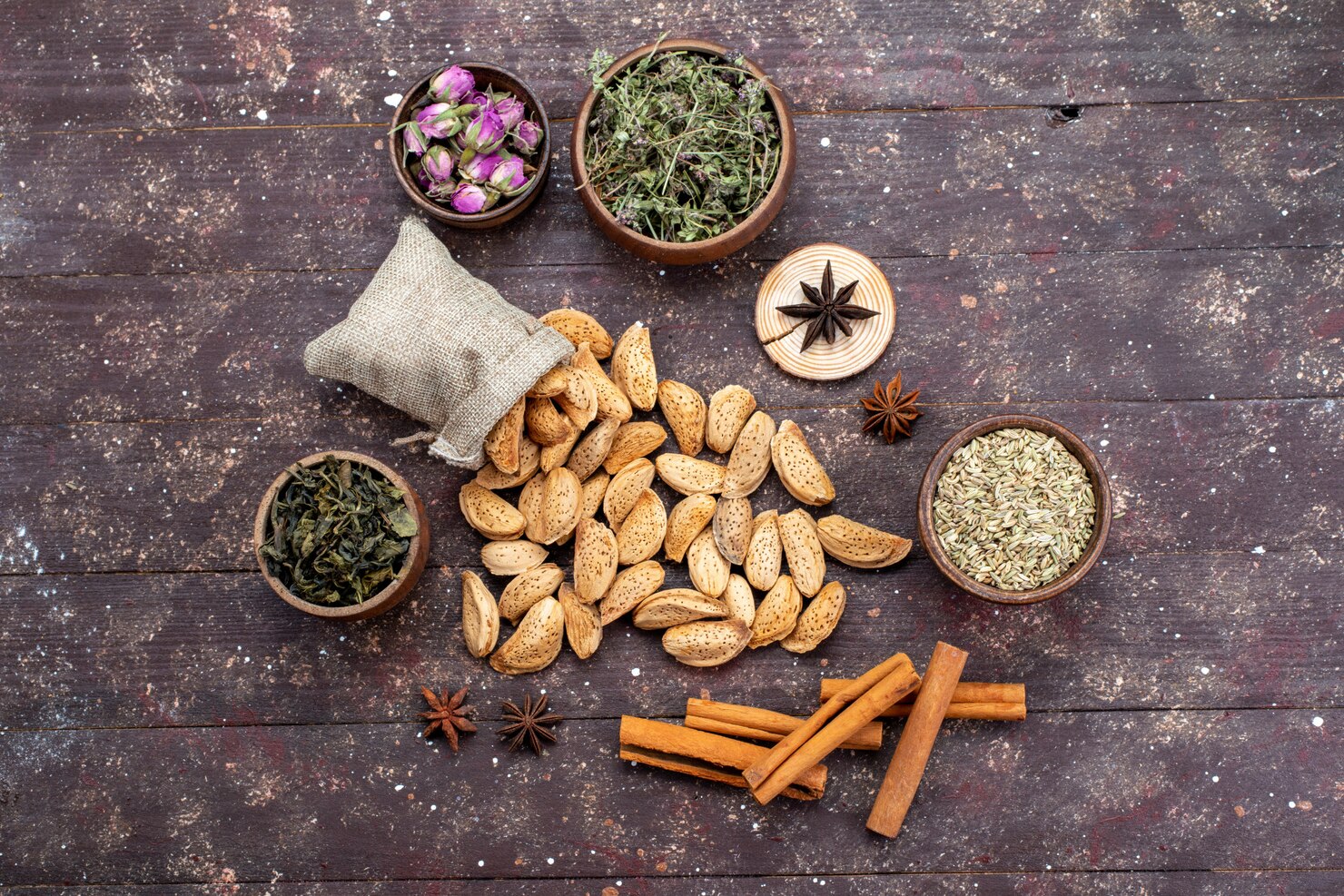
Natural Ways to Support Progesterone Beyond Herbs
Herbs work best as part of a comprehensive approach to hormone balance. Your diet, stress levels, sleep quality, and overall lifestyle all influence your body’s ability to produce adequate progesterone. Addressing these factors amplifies whatever herbal support you’re using.
Foods rich in B vitamins, magnesium, zinc, and vitamin C support progesterone production by providing the nutritional building blocks your body needs. Leafy greens, nuts, seeds, fatty fish, and colorful vegetables deserve regular spots on your plate. These foods also support liver function, which helps maintain healthy estrogen-to-progesterone ratios.
Stress management can’t be overlooked. When you’re constantly in fight-or-flight mode, your body prioritizes survival over reproduction. That means cortisol production gets priority over progesterone. Whatever helps you genuinely relax – whether that’s yoga, meditation, time in nature, or activities you enjoy – becomes part of your hormone balance protocol.
Sleep quality directly impacts hormone production. Your body does much of its hormone regulation and production while you sleep. Aim for seven to nine hours of quality sleep in a dark, cool room. If sleep problems are part of your hormone imbalance picture, addressing them often improves progesterone levels even without other interventions.
How The Healing Place Approaches Hormone Balance
At The Healing Place in Franklin, TN, we don’t just hand you a list of supplements and send you on your way. Our functional medicine approach starts with understanding what’s actually happening in your unique body. That means comprehensive testing to see where your hormones actually are, not just where we think they might be.
We use functional testing that looks beyond basic hormone levels to understand how your body processes and eliminates hormones. This gives us a much clearer picture of what’s driving your symptoms and what interventions will actually help. Sometimes low progesterone is really a thyroid issue. Sometimes it’s stress-driven. Sometimes it’s related to inflammation or nutrient deficiencies.
Once we understand your specific situation, we create a personalized protocol that might include herbs to boost progesterone, but always considers the bigger picture. Diet modifications, stress management, sleep optimization, and targeted supplementation all work together to restore balance. This comprehensive approach typically produces better, longer-lasting results than any single intervention alone.
When Professional Testing Makes Sense
If you’ve been trying herbs and natural approaches for several months without improvement, it’s time for professional evaluation. Persistent symptoms suggest something more complex than simple nutrient deficiencies or mild stress. Professional testing reveals what’s actually happening rather than what you’re guessing might be wrong.
Women dealing with fertility challenges, severe PMS or PMDD, very irregular cycles, or symptoms that significantly impact daily life should start with testing rather than trial and error. The right testing shows not just your progesterone levels but also estrogen, testosterone, thyroid hormones, and cortisol patterns. This complete picture guides much more effective treatment.
At The Healing Place, we combine hormone testing with our INSIGHT scanning technology to understand how your nervous system is functioning. Your nervous system regulates your endocrine system, so nervous system dysfunction often shows up as hormone imbalances. Addressing both levels – hormonal and neurological – typically produces better outcomes than focusing on hormones alone.
If you’re dealing with symptoms that suggest low progesterone – irregular cycles, heavy bleeding, mood changes, sleep problems, or fertility challenges – professional evaluation can save you months of guessing and potentially ineffective treatments. We serve families throughout Franklin, Brentwood, Spring Hill, and the surrounding Middle Tennessee area who are ready for a root-cause approach to hormone health.
The right combination of herbs to increase progesterone, targeted nutrition, stress management, and professional guidance can help restore the hormone balance your body is designed to maintain. Your symptoms aren’t something you need to accept as normal or push through with willpower. They’re signals that your body needs support, and with the right approach, that support can make a profound difference.
If you’d like to learn more about how functional medicine and neurological chiropractic care might help restore your hormone balance, we’d love to talk. Schedule a consultation at The Healing Place in Franklin, TN, and let’s explore what’s possible for your health.
This content is for educational purposes and does not replace professional medical advice. Herbs can interact with medications and may not be appropriate for everyone. Please consult with a qualified healthcare provider about your specific health needs before starting any herbal protocol.
