Have you been dealing with brain fog, unexplained mood changes, or persistent fatigue that no doctor seems to take seriously? You’re not imagining it. What many people don’t realize is that mold and neurological symptoms are more connected than most conventional practitioners acknowledge. As someone who’s seen patients struggle with these issues for years, I want to share what I’ve learned about how mold exposure affects your brain and nervous system.
What Is Mold and Why Does It Matter to Your Health?
Mold is far more than just an unsightly problem in damp basements or old buildings. It’s a living organism that produces spores and toxic compounds called mycotoxins that can seriously impact your body’s ability to function properly.
Your nervous system acts as the master controller of everything in your body. It coordinates every function, from your heartbeat to your ability to think clearly and regulate your emotions. When mold enters this equation, it doesn’t just affect your lungs or skin. The neurological effects of mold can reach deep into how your brain processes information, how your body responds to stress, and even how you experience the world around you.
What makes this particularly challenging is that mold exposure is associated with symptoms that often get dismissed or misdiagnosed. I’ve worked with countless patients in Franklin who spent years bouncing between specialists, getting labeled with everything from chronic fatigue syndrome to depression, when the real culprit was hiding in their home or workplace.
How Mold Exposure Affects the Nervous System
The connection between mold and your brain health isn’t just theoretical. Research shows that certain types of mold produce mold toxins that can cross the blood-brain barrier. Once these compounds reach your central nervous system, they can trigger inflammation, disrupt neurotransmitter function, and interfere with the communication pathways that keep your nervous system running smoothly.
Think of your nervous system like a sophisticated highway system. Information travels along neural pathways, carrying messages between your brain and every part of your body. When toxic mold enters this system, it’s like throwing roadblocks across those highways. Messages get delayed, signals get scrambled, and your body struggles to maintain the coordination it needs to function at its best.
The impact on brain function can be particularly profound. Mold exposure has been linked to oxidative stress in neural tissue, which essentially means your brain cells are under attack from harmful free radicals. This oxidative damage can affect everything from your ability to concentrate and form memories to your emotional stability and overall cognitive function.
Your body’s inflammatory response to mold doesn’t help matters either. When your immune system detects these foreign invaders, it launches an inflammatory response designed to protect you. In the short term, inflammation is helpful.
But when you’re dealing with chronic exposure to mold, that inflammation becomes persistent. This creates a chronic inflammatory state that can damage neural tissue over time and contribute to a wide range of neurological symptoms.

Common Neurological Symptoms of Mold Exposure
The neurological symptoms that can develop from mold exposure often appear gradually, which is part of what makes them so difficult to identify and address. Many of the patients I see at The Healing Place in Franklin describe feeling like something is “off” but can’t quite put their finger on what’s wrong. Here’s what to watch for:
Brain Fog and Cognitive Difficulties
This is one of the most frequently reported symptoms I hear about in practice. Patients describe it as feeling like they’re thinking through a cloud. Memory and concentration problems become daily frustrations. You might walk into a room and forget why you went there, struggle to follow conversations, or find yourself reading the same paragraph three times without absorbing the information.
This cognitive dysfunction isn’t laziness or aging. It’s your brain struggling to function properly under the burden of mold-induced inflammation and toxicity.
Headaches and Migraines
Persistent headaches or an increase in migraine frequency can signal that your nervous system is under stress from environmental toxins. These aren’t typical tension headaches. They often come with a quality that’s hard to describe but distinctly different from occasional headaches you might have experienced before.
The pattern of these headaches frequently correlates with time spent in mold-contaminated environments. Many people don’t make that connection until they look back on their symptom timeline.
Mood Changes and Emotional Instability
Depression and mold have a stronger connection than most people realize. When your brain is dealing with inflammation and mycotoxin exposure, it affects neurotransmitter production and function. Serotonin, dopamine, and other mood-regulating chemicals can’t work properly.
You might experience unexplained anxiety, sudden mood swings, or irritability that seems out of proportion to the situation. You may notice a persistent sense of sadness that doesn’t respond to typical interventions. This is where mold mental health connections become particularly important to understand.
Numbness and Tingling
Some people develop what feels like peripheral neuropathy. You might notice tingling in your hands or feet, areas of numbness, or unusual sensations that come and go. In more severe cases, mold exposure has been linked to conditions like demyelinating polyneuropathy, where the protective coating around your nerves begins to break down.
This can lead to weakness, coordination problems, and movement disorders that significantly impact daily function.
Sleep Disturbances
Your sleep-wake cycle depends on proper neurological function. When mold disrupts your nervous system, you might find yourself unable to fall asleep, waking frequently throughout the night, or sleeping for hours but never feeling rested.
This isn’t simple insomnia. It’s your brain’s inability to cycle properly through the sleep stages it needs for restoration and healing.
Dizziness and Balance Issues
The vestibular system, which controls your balance and spatial orientation, can be affected by mold exposure. You might experience vertigo, feel unsteady on your feet, or notice that you’re more clumsy than usual.
These symptoms often get worse in environments with high mold concentrations. Many people don’t connect the dots without careful observation of when and where symptoms intensify.
The Connection Between Mold, Mental Health, and Depression
The relationship between mold mental health and depression deserves special attention because it’s an area where I’ve seen tremendous suffering that could have been prevented with earlier recognition. When someone develops depression in the context of mold exposure, it’s not purely psychological. There are real, physical changes happening in the brain that drive those mental health symptoms.
Mycotoxins can interfere with the production of neurotransmitters like serotonin and dopamine. These are the chemical messengers your brain uses to regulate mood, motivation, and emotional wellbeing. When their production or function is disrupted, depression becomes not just likely but almost inevitable.
What makes this particularly frustrating is that standard psychiatric treatment often misses the underlying environmental trigger. Someone might start antidepressant medication, see minimal improvement, try different medications, and still struggle because the root cause hasn’t been addressed. Meanwhile, they’re still being exposed to the mold that’s driving their symptoms.
I’ve worked with patients who were convinced they had treatment-resistant depression, only to see dramatic improvements once we identified and eliminated their mold exposure. It’s not that psychiatric medications never have a place. But when mold is the underlying driver, addressing that exposure has to be part of the treatment strategy.
The chronic inflammatory response triggered by mold exposure also plays a role in depression. Research has shown that chronic inflammation in the body can affect brain function and contribute to depressive symptoms. When your body is constantly fighting what it perceives as invaders, that takes a toll on every system, including your mental health.

Who Is Most at Risk for Mold-Related Neurological Problems?
While anyone can develop neurological symptoms from significant mold exposure, certain factors can increase susceptibility. Understanding these risk factors helps explain why some people develop serious problems from mold while others in the same environment seem relatively unaffected.
Genetics plays a bigger role than most people realize. Some individuals have genetic variations that make it harder for their bodies to detoxify mycotoxins efficiently. If your detoxification pathways aren’t working optimally, those toxins build up more quickly and cause more damage before your body can eliminate them.
People with pre-existing immune system dysfunction often have increased susceptibility to mold-related health problems. If your immune system is already compromised by autoimmune conditions, chronic infections, or other health challenges, you’re more vulnerable to the effects of mold exposure.
Children and adults with developing or sensitive nervous systems need special consideration. The high prevalence of mold-related symptoms in children dealing with developmental challenges, ADHD, or autism spectrum conditions is something I pay close attention to in practice. Their nervous systems are still developing, making them potentially more vulnerable to environmental toxins.
Extended exposure increases risk regardless of other factors. The longer you’re exposed to mold, the more likely you are to develop symptoms and the more severe those symptoms tend to become. Someone living in a water-damaged building for years faces very different risks than someone who encounters brief, limited exposure.
A Neurologically-Focused Approach to Mold-Related Health Issues
This is where my approach at The Healing Place differs from what you might find elsewhere. We don’t just treat symptoms. We look at how mold exposure has affected your nervous system’s ability to function and help your body restore proper neurological communication.
The nervous system is designed to heal when given the right support. Your body has remarkable regenerative capacity. But when the nervous system is stuck in a state of chronic inflammation and dysfunction due to ongoing mold exposure, it can’t access that healing potential. Our job is to remove the interference and create the conditions your body needs to recover.
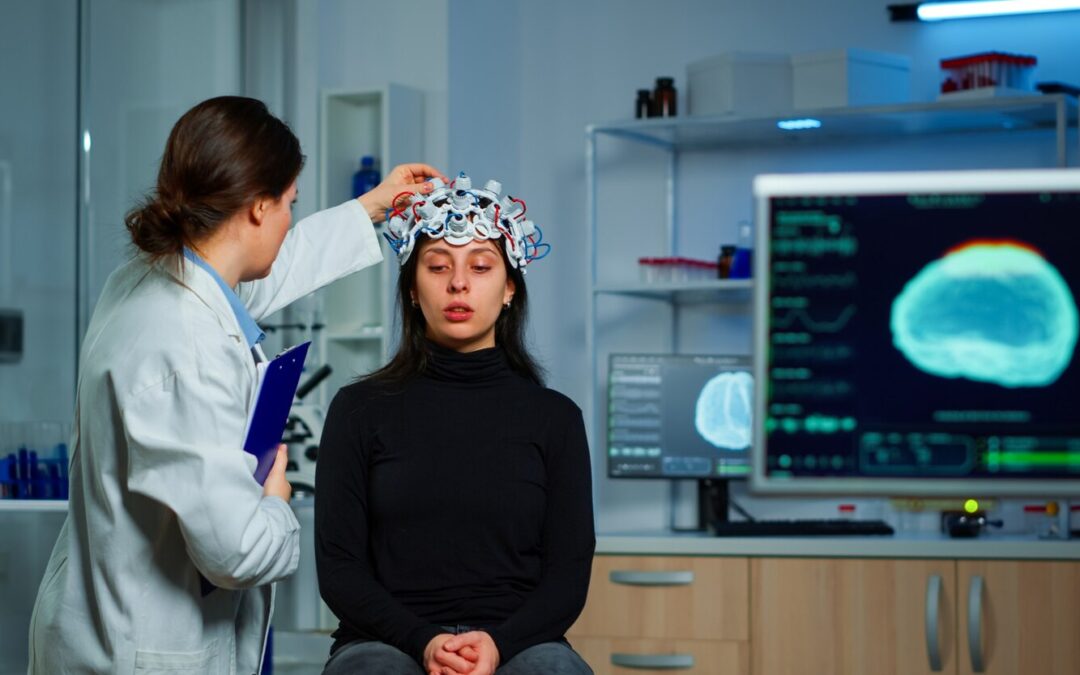
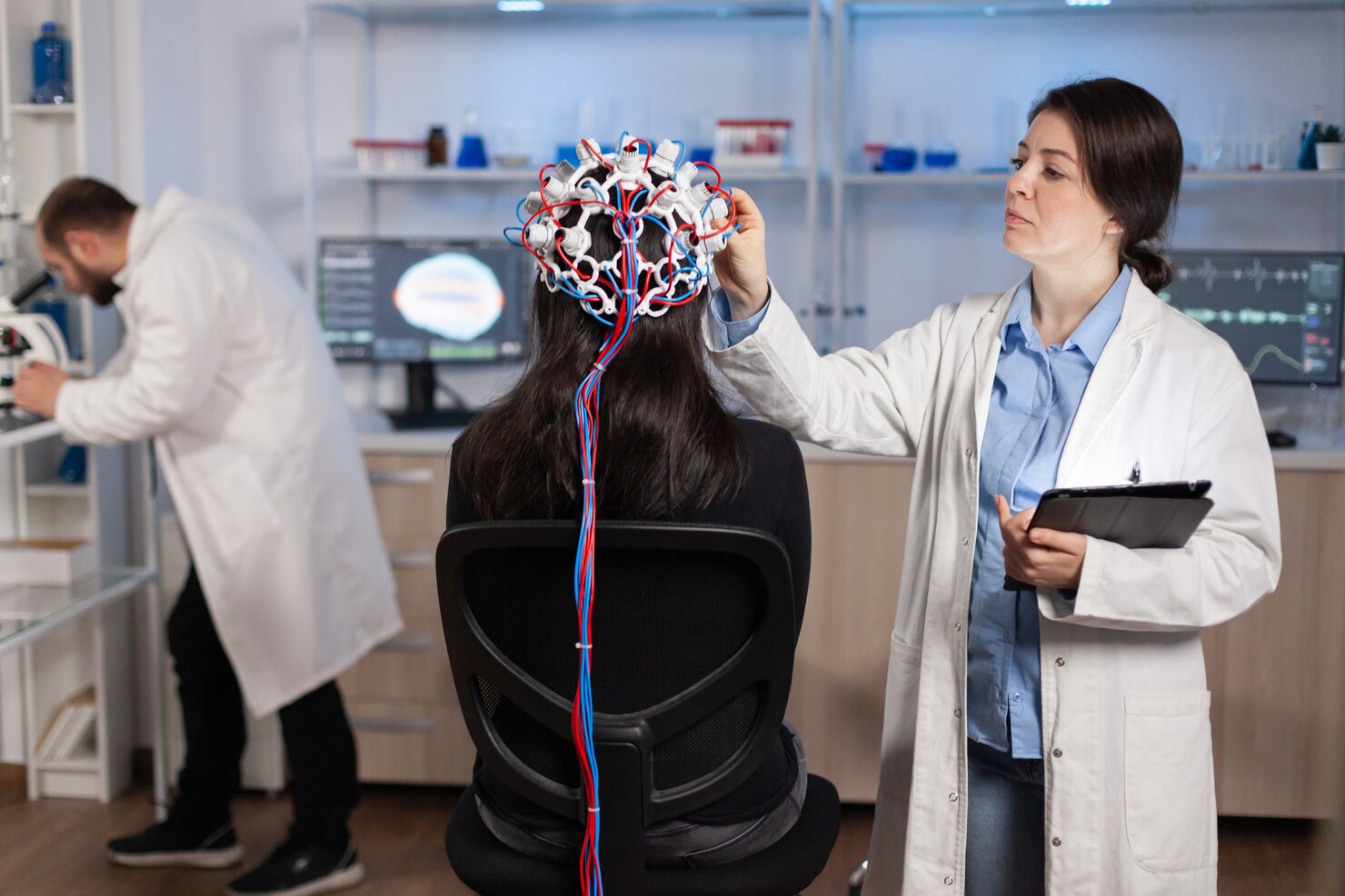
We use INSIGHT scanning technology to assess how your nervous system is actually functioning. This isn’t guesswork. We can see objectively where communication is breaking down, where stress is accumulating, and how your body is compensating for dysfunction. This information guides our care plan and helps us track your progress as your nervous system begins to heal.
Neurologically-focused chiropractic care plays a crucial role in this recovery process. Gentle adjustments help restore proper communication between your brain and body. When your spine is properly aligned and your nervous system can communicate without interference, your body’s natural detoxification processes work more efficiently. Your immune system functions better. Your brain can regulate inflammation more effectively.
Functional medicine principles complement this neurological focus. We look at supporting your body’s detoxification pathways, addressing nutritional deficiencies that may have developed, and supporting overall system function. This might include targeted supplementation, dietary modifications, and lifestyle strategies that reduce toxic burden and support healing.
The goal isn’t just symptom management. We’re working to restore proper nervous system function so your body can heal from the damage mold exposure has caused. That requires addressing both the ongoing exposure and the accumulated effects on your system.
What You Can Do: Practical Steps for Recovery
Recovery from mold-related neurological symptoms requires a multi-faceted approach. You can’t just take a supplement or make one change and expect everything to resolve. Here’s what actually works based on what I’ve seen help families in Franklin recover their health:
Identify and Eliminate the Source
This is non-negotiable. You cannot heal while you’re still being exposed. Have your home and workplace professionally assessed for mold, particularly in areas that have been water-damaged or remain consistently moist. Bathrooms, basements, areas around leaky pipes, and anywhere water has infiltrated are prime locations. Black mold gets attention, but any type in sufficient quantities causes problems. Professional remediation is necessary because surface cleaning doesn’t address mold growing inside walls.
Support Your Body’s Detoxification
Your liver, kidneys, and lymphatic system work together to eliminate toxins from your body. Supporting these natural detoxification pathways helps your body clear the mycotoxins that have accumulated. Increase water intake, ensure adequate fiber in your diet, consider specific nutritional support for liver function, and maintain regular movement to keep your lymphatic system flowing. Sweating through exercise or sauna use can help eliminate toxins, though this should be done carefully with professional guidance.
Reduce Overall Toxic Burden
Mold exposure doesn’t happen in isolation. Your body is likely dealing with multiple environmental stressors simultaneously. Reducing your overall toxic burden gives your system more resources to deal with the mold issue specifically. Choose cleaner personal care products, filter your drinking water, eat organic when possible to reduce pesticide exposure, and be mindful about chemicals you bring into your home through cleaning products and air fresheners.
Prioritize Nervous System Support
Everything we do at The Healing Place is designed to support proper nervous system function. Regular neurologically-focused chiropractic care helps maintain clear communication between your brain and body. Quality sleep becomes even more critical when your body is healing from toxic exposure. Your brain does significant detoxification work during sleep, so protecting those seven to nine hours isn’t optional. Stress management practices like meditation, gentle movement, and time in nature all support healing.
Address Nutritional Support
Certain nutrients play crucial roles in nervous system function and detoxification. B vitamins support neurological health and energy production. Omega-3 fatty acids help reduce inflammation and support brain health. Antioxidants like vitamin C, vitamin E, and glutathione help combat oxidative stress. Magnesium supports hundreds of biochemical reactions and is often depleted in people dealing with chronic health challenges. Working with a practitioner familiar with functional nutrition helps you identify which supports your body needs most.
When to Seek Professional Help
Not every case of mold exposure requires intensive intervention, but certain signs indicate you need professional support to navigate recovery. If you’re experiencing persistent neurological symptoms that aren’t improving with basic environmental cleanup, it’s time to seek help from someone who understands the neurological effects of mold.
Multiple system involvement is a red flag. When you’re dealing with cognitive issues AND mood changes AND physical symptoms like numbness or balance problems, your nervous system needs professional assessment and care. This level of dysfunction doesn’t typically resolve on its own.
Worsening symptoms despite your best efforts at environmental cleanup suggest you need additional support. Sometimes the damage has progressed to a point where your body needs help jump-starting its healing process. Other times, there may be ongoing exposure you haven’t identified yet.
If mold-related health problems are affecting your ability to work, maintain relationships, or handle daily responsibilities, don’t wait. The longer these patterns persist, the more deeply entrenched they become and the more challenging recovery can be.
How The Healing Place Can Help
At The Healing Place in Franklin, we approach mold-related neurological symptoms from a unique perspective. We understand that your nervous system controls and coordinates every function in your body. When mold disrupts that system, you need more than symptom management. You need restoration of proper nervous system function.
Our INSIGHT scanning technology allows us to see objectively how your nervous system is functioning and where stress is accumulating. This isn’t about treating mold exposure directly. It’s about supporting your body’s innate ability to heal by removing nervous system interference and restoring proper communication between your brain and body.
We’ve helped families throughout Middle Tennessee recover from mold-related health challenges by focusing on nervous system function. When your nervous system can communicate clearly, your body’s natural detoxification processes work better. Your immune system functions more effectively. Your brain can regulate inflammation and healing more efficiently.
If you’ve been struggling with unexplained neurological symptoms, mood changes, or cognitive difficulties that aren’t responding to conventional treatment, mold exposure might be the missing piece of your health puzzle. We’d love to help you investigate that possibility and create a care plan that supports your nervous system’s natural healing capacity.
Schedule a consultation at The Healing Place in Franklin, TN to learn how neurologically-focused chiropractic care can support your recovery from mold-related health challenges. Your nervous system is designed to heal. Sometimes it just needs the right support to make that happen.
This content is for educational purposes and does not replace professional medical advice. Please consult with a qualified healthcare provider about your specific health needs and concerns related to mold exposure.