
Insulin Resistance Symptoms: Causes, Testing, and Root-Cause Care in Franklin, TN
By Dr. Amy Putrus-Schnell, DC CFMP — The Healing Place, Franklin, TN
The weight settles around your middle and won’t budge, no matter how carefully you eat or how often you move. An hour after lunch you crash hard, reaching for coffee or something sweet just to make it to dinner. Your brain feels foggy by mid-afternoon, and the cravings seem to have a mind of their own.
Maybe your last bloodwork came back with the word “prediabetic,” and you were sent home with a vague instruction to “lose some weight” and no real plan. It’s frustrating to feel like your body is working against you while everyone treats it as a willpower problem. The common but often-missed insulin resistance symptoms behind all of this are real, measurable, and worth taking seriously for your long-term health.
Here in Franklin, TN, this is one of the most common patterns I see in functional medicine, and the encouraging part is that it responds to a clear, root-cause approach. Below, we’ll walk through what this condition actually is, the signs to watch for, the blood work that confirms it, and how a whole-body plan digs deeper than “eat less, move more.”
What Is It, and Why Does It Matter for Your Health?
Insulin is the hormone that lets your cells take sugar out of your blood and use it for energy. After you eat, your blood sugar rises, your pancreas releases this hormone, and it acts like a key that unlocks your cells so the fuel can get in. When the system works well, your glucose stays in a steady, healthy range.
The problem begins when your cells stop responding to that key the way they should. Your pancreas compensates by producing more and more of the hormone to force the door open, so you can end up with high levels of it even when your glucose still looks normal. Over time, that quiet imbalance is what sets the stage for trouble with your metabolic health.
According to the CDC’s overview of insulin resistance and type 2 diabetes, this condition is a major driver on the road toward prediabetes and type 2 diabetes. It’s worth saying plainly: this is a well-established condition, not a fringe idea, and understanding it early gives you real leverage over your future health.
Common Symptoms to Watch For
One of the trickiest things about this condition is that it often whispers before it shouts. In the early stages many people feel “off” without anything showing up on a standard panel. Still, there are patterns worth paying attention to for your health.
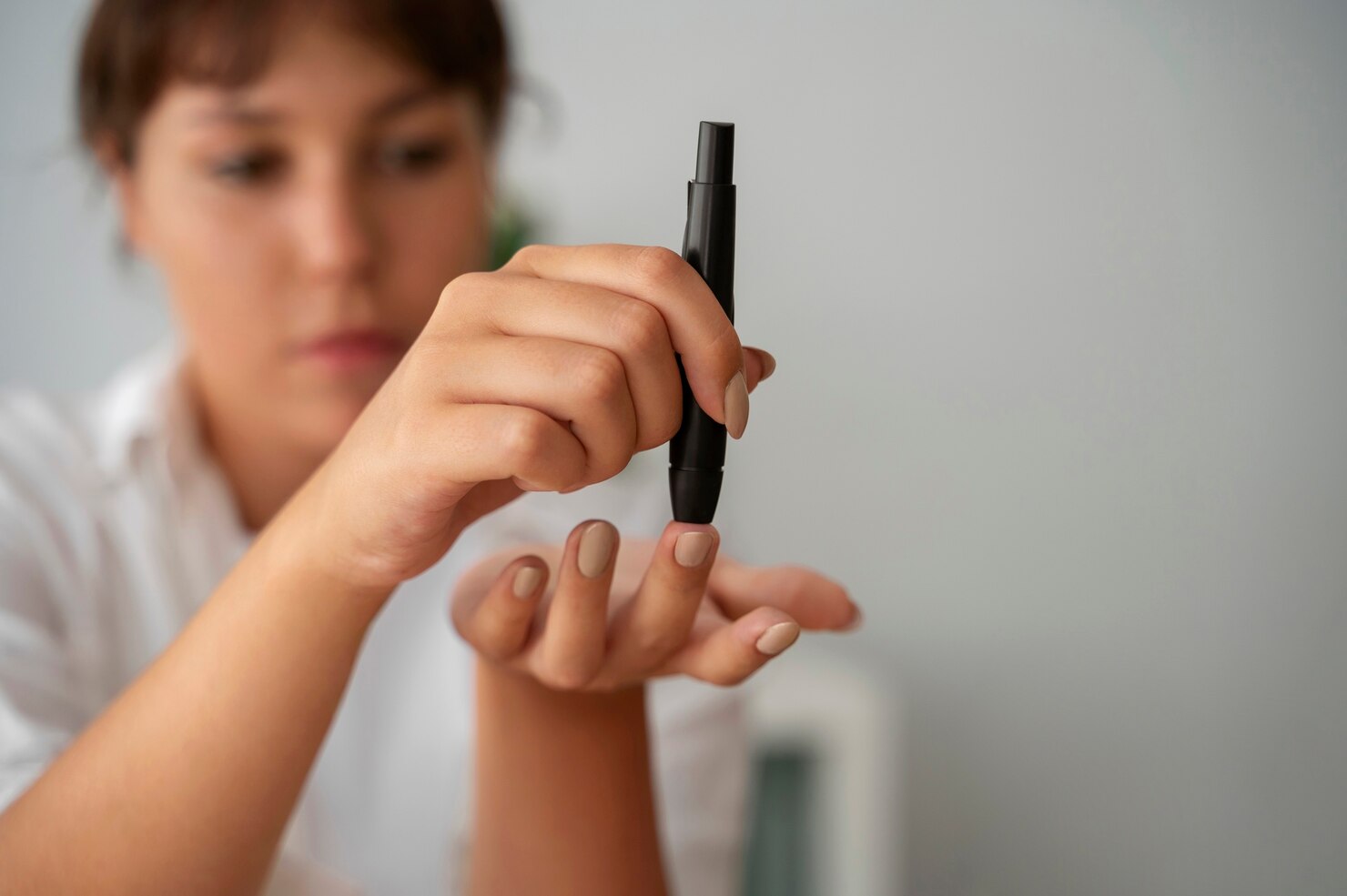
Common signs include stubborn weight gain, especially around the belly, along with strong sugar and carb cravings, energy crashes after meals, brain fog, and skin changes such as dark, velvety patches on the neck or armpits. As things progress, some people notice more classic warning signs: increased thirst, frequent urination, and fatigue that sleep doesn’t fix.
It’s important to be honest here: many people in the early stage of this pattern have no obvious signs at all, which is exactly why testing matters for your health. The body can run high levels of the hormone for years while you feel mostly fine, then present with high blood sugar levels seemingly out of nowhere. That silent stretch is the window where a root-cause plan can do the most good.
In my practice, I’ve worked with patients who were told their blood sugar was “borderline” and sent off with little more than a warning. When we finally looked at fasting insulin alongside the rest of the picture, the pattern was often clear long before standard glucose levels had budged. I’m careful never to promise a quick fix, but I’ve seen how much changes once people can finally name what their body has been doing.
Does It Affect Men, Too?
There’s a common assumption that this is mainly a women’s issue, often because it gets lumped in with conditions like PCOS. The reality is that insulin resistance affects men and women alike, and men often go undiagnosed longer because they’re less likely to be screened during routine visits.
In men, the signs can look a little different. Belly weight, low energy, reduced stamina, and changes in mood or libido can all trace back to the same underlying metabolic problem, yet they’re frequently chalked up to “just getting older.” Men are also at meaningful risk for the heart and diabetes-related consequences that come with long-standing insulin resistance, so dismissing it is a costly mistake for many men.
For women, hormone shifts across the cycle, pregnancy, and perimenopause can all influence how the body handles glucose. The bottom line for both men and women is the same: this is a whole-body health issue that deserves real testing rather than guesswork, regardless of your sex or age. I see it in men and women across every decade of adult life.
Prediabetes, Diabetes, and Metabolic Syndrome
These terms get used loosely, so it helps to sort them out. Insulin resistance is the underlying mechanism. Prediabetes is a stage on the spectrum, where blood sugar has crept above normal but not yet into the diabetes range. Type 2 diabetes is further along that same road, and prediabetes is the warning shot before it.
The National Institute of Diabetes and Digestive and Kidney Diseases (NIDDK) notes that most people with prediabetes have no symptoms, which is why so many cases are caught late or missed entirely. That same resource lays out the standard blood glucose ranges used to identify prediabetes and diabetes.
Metabolic syndrome is a related cluster, a group of findings that often travel together: extra weight around the middle, higher blood pressure, elevated triglycerides, low “good” cholesterol, and elevated glucose. When several of these line up, insulin resistance is usually somewhere in the mix, and the risk of progressing toward diabetes climbs. Seeing the whole syndrome, rather than one number at a time, is central to how functional medicine reads these cases and protects your long-term health.

The Blood Tests That Reveal the Pattern
This is the part I most want you to understand, because the right blood tests move you from guessing to knowing. A single fasting glucose reading often misses the early picture entirely, since your body can keep your sugar levels normal by working your pancreas overtime for years.

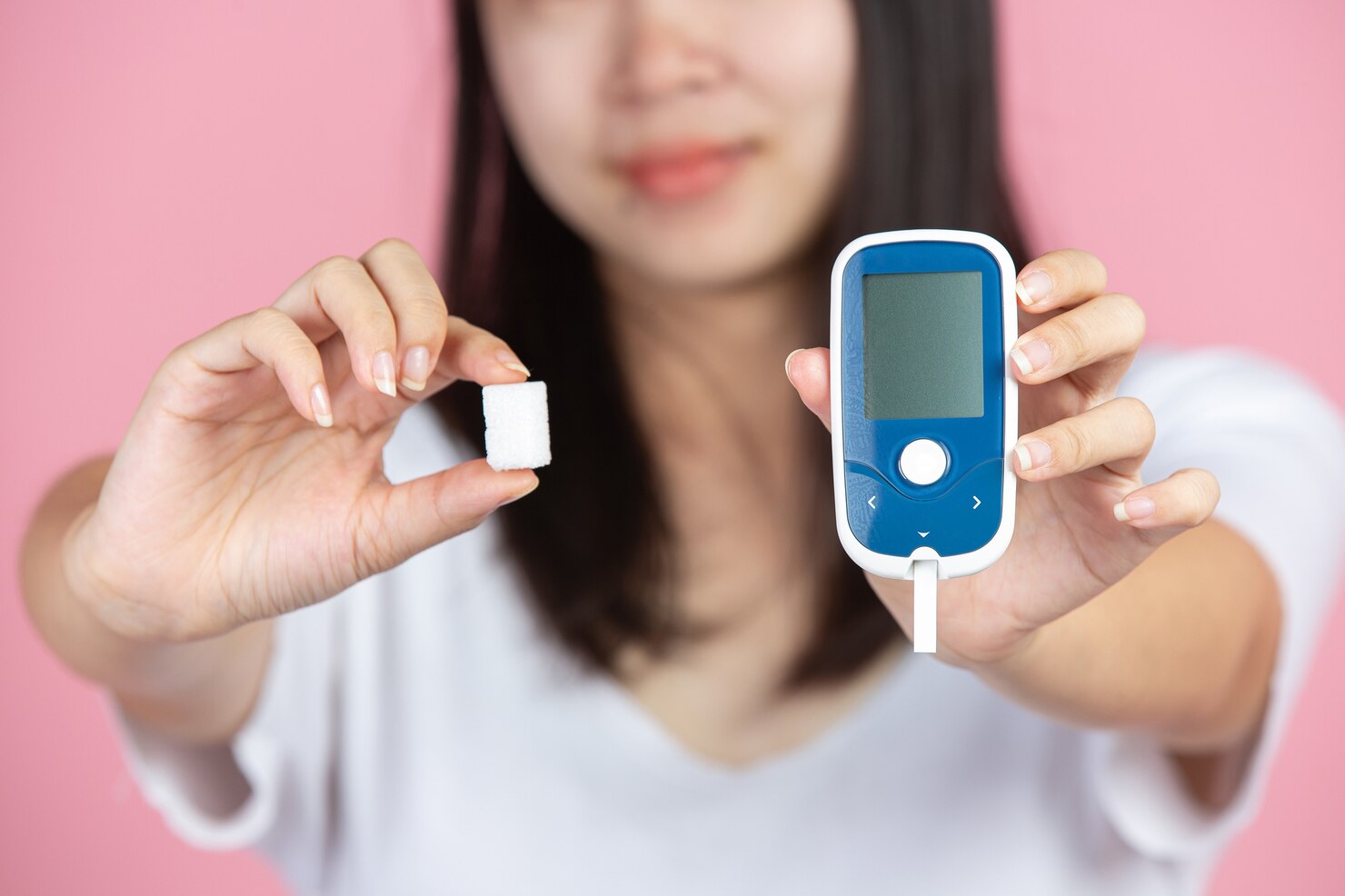
A more revealing panel looks at several markers together. Fasting insulin measures how hard your pancreas is working, often the earliest clue. HbA1c reflects your average blood sugar over about three months. Fasting glucose captures a snapshot of your sugar levels after an overnight fast. And HOMA-IR is a simple calculation that pairs your fasting numbers to estimate insulin resistance directly.
We also look at the bigger metabolic context with a comprehensive metabolic panel (CMP) and a full lipid panel, since cholesterol and triglyceride patterns tell their own part of the story. Reading these blood tests together, alongside your full history and how you feel, is far more useful for your health than reacting to one borderline number in isolation.
If you’re weighing which panels make sense for you, our functional lab testing page walks through the markers we use most. The goal isn’t to run every test under the sun; it’s to choose the ones that actually answer your questions. Whatever we measure, the aim is to connect your numbers to the patterns you’re living with.
Losing Weight With Insulin Resistance
If you’ve ever felt like weight loss is harder for you than for the people around you, this condition may be a big reason why. When the hormone runs chronically high, your body is biased toward storing fat and away from burning it, so the usual “calories in, calories out” advice can fall frustratingly flat.
This is why losing weight with insulin resistance often calls for a different strategy than a generic diet. The focus shifts toward steadying your sugar levels and calming that hormone: building meals around protein, fiber, and healthy fats, being thoughtful with refined carbohydrates and sugar, and timing meals so it has a chance to come down between them. Strength and movement matter too, because muscle is one of the best places for your body to store glucose.
The encouraging part is that even modest progress counts. The NIDDK reports that losing 5% to 7% of starting weight helped reduce the chance of developing type 2 diabetes in research participants. I won’t promise the scale will move on any set timeline, because every body is different, but many people find weight responds once the underlying pattern is finally being addressed, which is a real win for both health and confidence.
How to Reverse It and Protect Your Health
Plenty of people want to know how to reverse insulin resistance, and the honest answer is hopeful but nuanced. Because this is a metabolic process rather than fixed damage, the underlying sensitivity of your cells can often improve, especially when it’s caught earlier rather than later, well before it tips into diabetes.
The CDC describes reversal in terms of making your cells more sensitive to the hormone again, largely through lifestyle: regular physical activity, losing excess weight, eating a diet rich in non-starchy vegetables and whole foods, managing stress, and getting enough quality sleep. These aren’t quick hacks; they’re the levers that genuinely move the needle, and research suggests they may meaningfully lower your risk of diabetes over time.
What functional medicine adds is personalization. Rather than handing you the same generic checklist everyone gets, we use your testing to figure out which levers matter most for your particular case, then build a realistic plan around your life. The aim is steady, sustainable change you can actually keep, not a dramatic overhaul that collapses in a month.

A Functional Medicine Approach to Insulin Resistance Treatment in Franklin, TN
Functional medicine starts with a different question than “what number do we need to push down?” It asks why your cells stopped listening in the first place, then builds care around that answer. A whole-body approach weighs your diet, your activity, your sleep, your stress, your hormones, and your history as one connected picture rather than a stack of isolated problems.
For insulin resistance treatment in Franklin, TN, that root-cause lens is what shapes the plan. Depending on what your testing shows, care might involve targeted nutrition changes, a movement plan that fits your week, blood sugar support, better sleep, and stress strategies, layered in a way that’s realistic for you. We re-test over time so we can see whether the care is actually working rather than hoping it is.
This is also patient-centered by design. Two people with similar lab numbers can need very different plans, and our job is to read your full story and meet you where you are. The point isn’t a one-size protocol; it’s care matched to the patient in front of us and built around your health goals for the years ahead.
The Nervous System, Stress, and Your Blood Sugar
Here’s a connection that often gets overlooked: your stress response and your blood sugar are tightly linked. When your nervous system is stuck in a stressed, “on alert” state, your body releases cortisol, and cortisol’s job is partly to raise glucose so you have fuel to handle a threat. Chronic stress can keep that signal switched on, working against everything you’re doing with food and movement to support your health.
This is where our two sides at The Healing Place work together. Alongside the functional medicine workup, Dr. Anthony Putrus, DC uses a neurologically-focused approach that includes an INSIGHT scan, a non-invasive assessment that measures how your nervous system is responding to stress. Looking at that nervous system picture next to your metabolic markers helps us care for the whole person rather than one lab value.
Calming a revved-up nervous system won’t replace the core metabolic work, but it may help your body respond to that work more readily. For moms and dads commuting in from Brentwood, Spring Hill, and Cool Springs who have chased belly weight and energy crashes for years, that whole-body view is often the missing piece for real progress in their health.
Frequently Asked Questions
What are the early warning signs to watch for?
Early on, many people notice stubborn belly weight, strong sugar or carb cravings, energy crashes after meals, brain fog, and sometimes dark, velvety skin patches. As it progresses, signs can include more thirst, fatigue, and changes in urination. Many people have no clear signs at all in the early stages, which is why testing matters for protecting your health.
Can this condition be reversed?
Often, yes, especially when it’s caught early. Because it’s a metabolic process rather than permanent damage, your cells can frequently become more insulin-sensitive again through consistent changes to activity, nutrition, sleep, and stress. Research suggests these steps may lower your risk of diabetes over time, though results vary from person to person.
What blood tests check for it?
A more complete picture usually includes fasting insulin, HbA1c, fasting glucose, and HOMA-IR, often alongside a comprehensive metabolic panel and a lipid panel. Fasting insulin and HOMA-IR can flag a problem earlier than fasting glucose alone, which is why we look at them together rather than relying on a single number.
Does it affect men, too?
Yes. This condition affects men and women alike, and men are often under-screened, so it can go unnoticed longer. In men it may show up as belly weight, low energy, reduced stamina, and mood or libido changes, and it carries real long-term risk if left unaddressed.
Take the Next Step Toward Metabolic Answers
If you’ve been told you’re “borderline” and left without a plan, you deserve a closer look at what’s actually driving your numbers. At The Healing Place in Franklin, TN, our functional medicine team helps you connect your symptoms and labs to their root cause and build a plan around your real life, not a generic handout.
You can learn more about Dr. Amy and her functional medicine approach on her provider bio, or reach out to our Franklin, TN office to talk through whether testing is a good next step for you. Patients come to us from across Williamson County and Middle Tennessee for exactly this kind of whole-body, root-cause care.
Related Functional Medicine Reading
Because metabolism, hormones, and stress are intertwined, you may also find these guides from our Franklin, TN functional medicine team helpful: adrenal fatigue, perimenopause, hypothyroidism and Hashimoto’s, estrogen dominance, and the gut-brain connection.
This article is for educational purposes only and is not intended as medical advice, diagnosis, or treatment. It does not establish a doctor-patient relationship. Individual results vary, and insulin resistance, prediabetes, and diabetes are medical conditions that should be evaluated and managed with a qualified healthcare provider. Always consult your provider about your specific symptoms and before making changes to your diet, exercise, or care.