
Mold Toxicity Symptoms: What Your Body May Be Telling You
By Dr. Amy Putrus-Schnell, DC CFMP — The Healing Place, Franklin, TN
You’ve seen more than one doctor. Your bloodwork keeps coming back “normal,” and yet you don’t feel normal. The afternoon fatigue, the brain fog, the stuffy head that never fully clears — it’s real, even if no one has been able to explain it.
Maybe it started after a roof leak, a damp basement, or one of those humid Tennessee summers when nothing in the house ever quite dries out. If you’ve started to wonder whether something in your home could be quietly affecting how you feel, you’re asking a fair question — and you’re not alone in asking it.
This is a topic where the science is part settled and part still emerging, so it deserves an honest look. Below, we’ll walk through what mold actually does to the body, which symptoms research most strongly supports, and how a functional medicine approach digs for the root cause instead of chasing one symptom at a time.
What People Mean by "Mold Toxicity"
Mold is a type of fungus, and it lives all around us — outdoors, and in small amounts indoors. It spreads through tiny airborne mold spores that settle and grow wherever there’s enough moisture. When people use phrases like “mold toxicity,” “mold poisoning,” or “toxic mold,” they’re usually describing a wider set of symptoms they believe trace back to living or working in a moldy space.
Here’s where it helps to separate what’s well established from what’s still being studied. Research published in Environmental Health Perspectives found that damp, moldy indoor environments are consistently associated with respiratory and allergic effects — things like asthma, wheezing, coughing, and allergy flare-ups (Mendell et al., 2011). That part has solid footing.
The broader idea — that mold drives widespread, whole-body illness through circulating toxins — is an area many functional medicine practitioners explore, but the research is still catching up, and reasonable experts disagree. As the CDC puts it plainly, exposure to damp and moldy environments “may cause a variety of health effects, or none at all.” I keep both of those truths in mind with every patient.
Where Mold Comes From: Spores, Damp Homes, and "Black Mold"
Mold needs three things to take hold: moisture, a food source (like drywall, wood, or carpet), and time. Give it a slow leak under a sink or a humid crawl space, and mold growth can begin within a day or two — often out of sight before you ever notice a musty smell.
You’ve probably heard about “black mold,” and it tends to get the most attention. But there are many kinds of molds that can affect indoor air quality, and color alone doesn’t tell you how much an individual person will react. What matters more is the amount of mold exposure, how long it lasts, and how sensitive your body happens to be.
That last point is important. Two people can share the same home and have very different responses to the same mold spores — one barely notices, the other feels it constantly. Sensitivity is personal, which is part of why these cases can be so confusing to sort out.
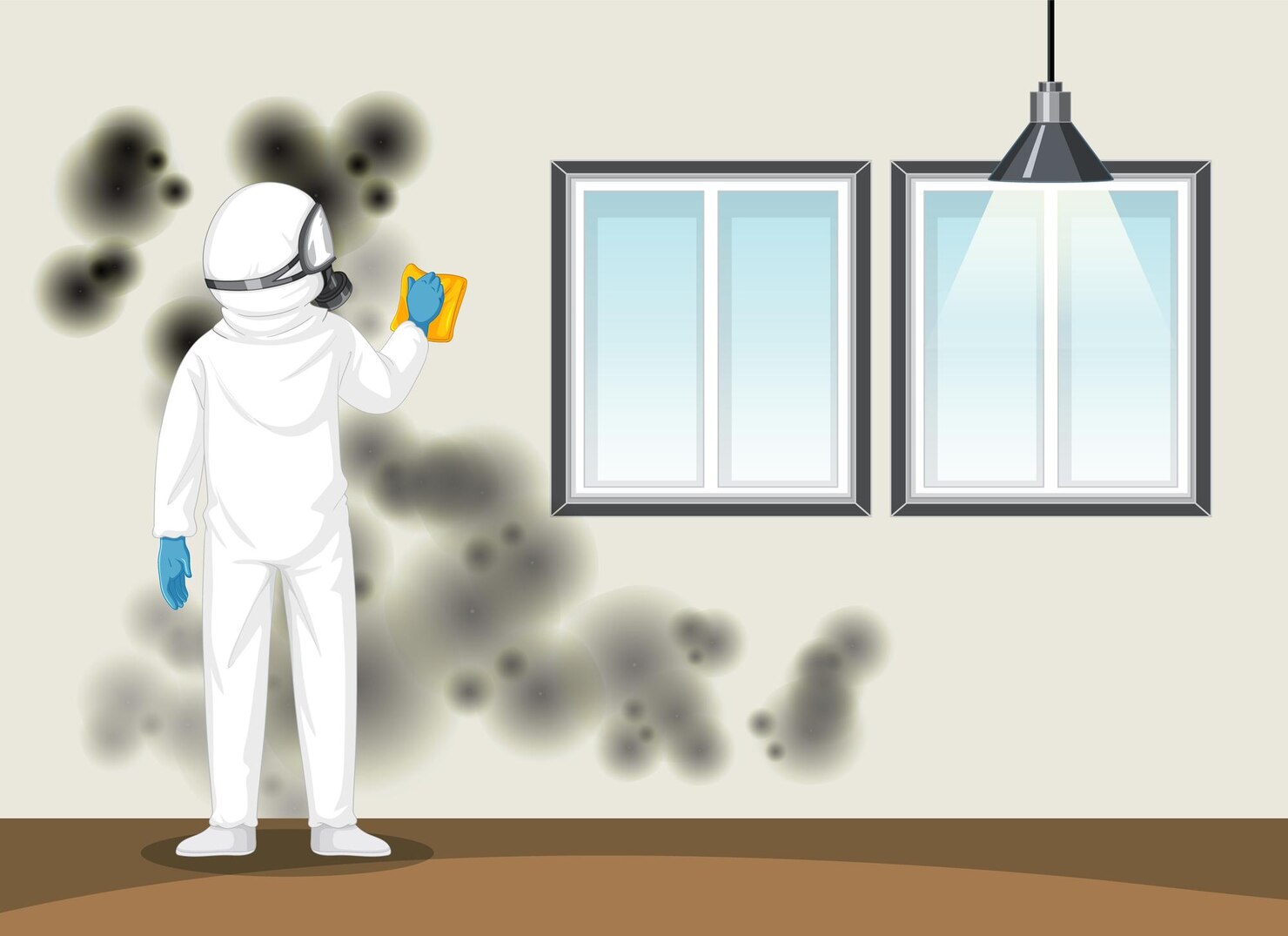
The Symptoms Most Closely Linked to Mold
The symptoms with the strongest research support are respiratory and allergic. According to the CDC, damp or moldy spaces may trigger a stuffy or runny nose, sore throat, coughing, wheezing, eye irritation, or a skin rash. For many people, these show up as classic allergy symptoms.

If you already live with asthma, mold can be a meaningful trigger — research links damp indoor environments to both new asthma and worsening asthma symptoms. An allergy to mold can also produce repeated sneezing, nasal and sinus congestion, watery or itchy eyes, and that run-down, “always fighting something” feeling.
These reactions happen because your immune system treats mold spores as invaders and responds with inflammation. For someone with a true mold allergy, even a modest amount of exposure may keep that response switched on, which is why symptoms can linger as long as the source is still in the home.
Other Symptoms People Connect to Mold
Beyond the respiratory picture, many people connect a longer list of complaints to mold. Search for “10 warning signs of mold toxicity” online and you’ll find symptoms like persistent fatigue, brain fog, headaches, joint aches, mood changes, and trouble sleeping. In my practice, these whole-body symptoms are often what finally bring someone in.
I want to be straight with you here: the link between mold and this broader, systemic kind of illness or chronic disease is still emerging science, not settled fact. Some people genuinely report that these symptoms improve once they address mold in their environment, and low-grade inflammation is a plausible thread researchers are studying. In someone already living with an autoimmune disease, an environmental trigger like mold is occasionally one piece worth examining — but mold is rarely the whole story, and assuming it is can mean missing another root cause.
That’s exactly why a careful, root-cause approach matters more than a label. Rather than deciding up front that mold “is” or “isn’t” the answer, the goal is to look at your full health picture and let the evidence point the way.
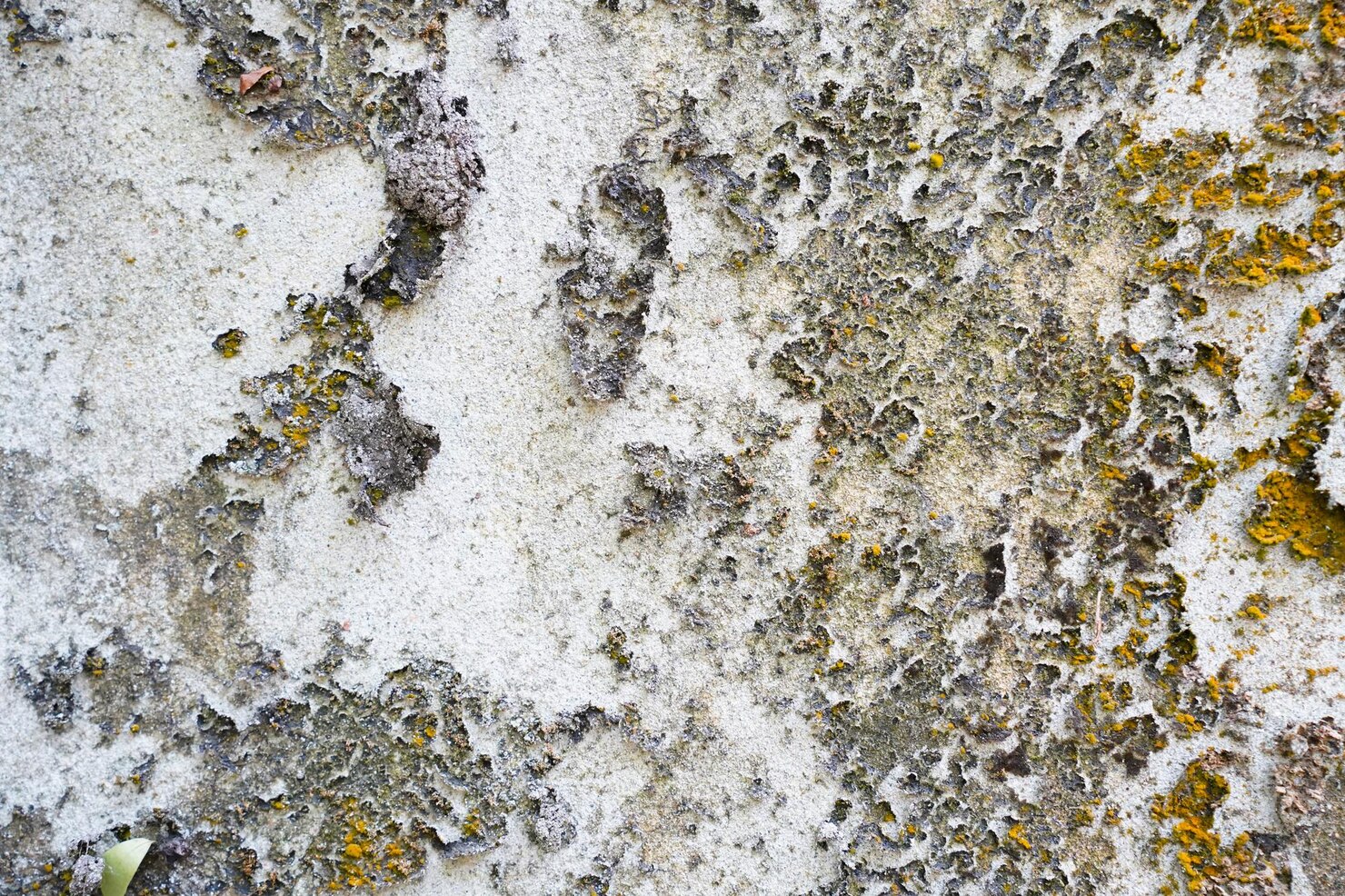
Why Middle Tennessee Homes Can Be a Setup for Mold
Climate plays a real role, and our corner of Middle Tennessee gives mold a lot to work with. Long, humid summers, heavy spring rains, and homes sealed tight for efficiency can trap moisture exactly where mold likes it. Here in Franklin, TN, I regularly talk with families who never suspected their house until symptoms pushed them to look.

Older homes around historic Franklin can hide moisture in basements and crawl spaces, while newer builds out toward Spring Hill aren’t immune either — a single plumbing leak behind a wall is enough. I’ve had moms and dads drive in from Brentwood after a finished basement flooded, certain the timing of their family’s symptoms wasn’t a coincidence.
If you live anywhere across Williamson County, it’s worth knowing the usual moisture suspects in your home: bathrooms without good ventilation, around water heaters and HVAC units, under sinks, and anywhere a past leak was patched but never fully dried. Catching dampness early is the simplest way to keep small problems from becoming bigger ones.
Is It Mold, Seasonal Allergies, or Something Else?
One of the trickiest parts is that mold symptoms overlap with so many other things — seasonal allergies, a lingering cold, sinus issues, even ordinary stress and poor sleep. A mold allergy and a pollen allergy can feel nearly identical from the inside.
A few patterns can offer clues. Symptoms that ease when you leave the house or travel, then return when you come home, are worth paying attention to. So are allergy symptoms that don’t follow the usual pollen seasons, or a whole household feeling unwell at once. None of these prove mold on their own, but together they help build a picture.
The honest answer is that you often can’t sort this out by guesswork alone, and you shouldn’t have to. When symptoms are persistent or affecting daily life, that’s the point to bring in testing and a professional eye rather than continuing to wonder.
How Functional Medicine Looks at Mold: Starting With Root Cause
Functional medicine starts from a simple question: why is your body reacting this way? Instead of treating fatigue, congestion, and brain fog as separate problems, a whole-body approach looks at how your environment, immune system, gut, and detox pathways are interacting — and where mold may fit into that web.
In my practice, I’ve worked with patients who spent months — sometimes years — chasing one symptom at a time before anyone asked about their home. When we finally looked at the whole picture together, the pattern that emerged often pointed back to a damp space they’d stopped noticing. I’m careful never to promise mold is the answer, but I’ve seen how much clarity comes from simply asking the right questions early.
Part of that picture is understanding mycotoxins — compounds some molds can produce. Their role in human illness is still being researched, so I treat them as one possible piece of the puzzle, not a foregone conclusion. The aim is always the same: find the root cause driving your symptoms, whatever it turns out to be.

Testing for Mold Exposure and Its Effects
Functional medicine starts from a simple question: why is your body reacting this way? Instead of treating fatigue, congestion, and brain fog as separate problems, a whole-body approach looks at how your environment, immune system, gut, and detox pathways are interacting — and where mold may fit into that web.
In my practice, I’ve worked with patients who spent months — sometimes years — chasing one symptom at a time before anyone asked about their home. When we finally looked at the whole picture together, the pattern that emerged often pointed back to a damp space they’d stopped noticing. I’m careful never to promise mold is the answer, but I’ve seen how much clarity comes from simply asking the right questions early.
Part of that picture is understanding mycotoxins — compounds some molds can produce. Their role in human illness is still being researched, so I treat them as one possible piece of the puzzle, not a foregone conclusion. The aim is always the same: find the root cause driving your symptoms, whatever it turns out to be.
Testing for Mold Exposure and Its Effects
If your history suggests mold, testing can move you from guessing to knowing. A urinary mycotoxin panel, such as the MycoTOX Profile, looks for markers of specific mold-related compounds, while a stool test like the GI-MAP can show how your gut and microbiome are holding up — relevant because your gut is central to how the body processes what it’s exposed to.
We may also look at how well your natural detoxification pathways are working, including markers tied to glutathione, one of the body’s key antioxidants. No single test is a magic answer, which is why we read results alongside your symptoms and environment rather than in isolation. If you’re searching for a thoughtful mold toxicity test in Franklin, TN, that full-context interpretation is what actually makes the numbers useful.
You can learn more about the panels we use on our functional lab testing page. The right testing depends on your story, so it’s something we decide together rather than ordering everything at once.
It also helps to separate two different questions: is there mold in your home, and is your body showing effects from it? A professional home inspection answers the first, while the lab work above speaks to the second. Looking at both together gives the clearest read — it keeps us from blaming mold for something it isn’t causing, and from overlooking it when it genuinely is part of the problem.
The Nervous System Connection and Our Whole-Body Approach
Here’s a piece that often gets overlooked: ongoing stress on the body — including the strain of feeling unwell for a long time — can keep your nervous system stuck in a heightened, “on alert” state. When your nervous system can’t settle, sleep, digestion, and your sense of resilience all tend to suffer, which can magnify how rough mold-related symptoms feel.
This is where our two sides work together. Alongside the functional medicine workup, Dr. Anthony Putrus, DC uses a neurologically-focused approach, including an INSIGHT scan — a non-invasive assessment that measures how your nervous system is responding to stress. Pairing that nervous-system view with root-cause functional medicine is the heart of our whole-body approach, and it’s why families across Franklin choose to address the whole picture rather than one slice of it.
None of this replaces the basics of getting mold out of your environment. But supporting a calmer, better-regulated nervous system may help your body do what it’s designed to do while you tackle the source.
Supportive Steps You Can Take — and When to Get Help
The single most important step is also the least glamorous: address the moisture and remove the source. Fix leaks promptly, run bathroom and kitchen fans, use a dehumidifier in damp areas, and bring in a qualified remediation professional if you find significant mold growth. No supplement or protocol works against an active source still in the home.
From there, supportive care is exactly that — supportive, not a cure. When people ask about “mycotoxin illness treatment,” what we actually focus on is helping the body’s own systems function better: steady nutrition, restful sleep, gentle support for natural detox pathways, and reducing the total load on your immune system. Many patients report feeling more like themselves as their environment and these foundations improve, though everyone’s timeline is different.
For moms and dads especially, the reassuring news is that small, consistent changes add up. You don’t have to overhaul everything at once — you just need a clear, root-cause plan and a team that listens.
Frequently Asked Questions
What are the first signs of mold exposure?
For most people, the earliest signs are respiratory or allergic — sneezing, nasal and sinus congestion, eye irritation, coughing, or a skin rash. These may be more noticeable at home and ease when you’re away.
Can mold really cause fatigue and brain fog?
Some people report that fatigue and brain fog improve after addressing mold, and inflammation is a plausible mechanism researchers are studying. That said, the systemic link is still emerging science, so it’s important to rule out other root causes too.
How do you test for mold toxicity in Franklin, TN?
Depending on your history, we may use a urinary mycotoxin panel like the MycoTOX Profile, gut testing such as the GI-MAP, and markers of how your body detoxifies. Results are always interpreted alongside your symptoms and environment.
Is black mold the only kind I should worry about?
No. Many molds can affect indoor air and how you feel, and color alone doesn’t determine the risk. The amount of exposure, how long it lasts, and your personal sensitivity matter more.
Take the Next Step Toward Answers
If you’ve been stuck feeling unwell with no clear explanation, you deserve a closer look at the whole picture — including your environment. At The Healing Place in Franklin, TN, our functional medicine team helps you connect the dots between your symptoms and their root cause, with a plan built around your life.
You can learn more about Dr. Amy and her functional medicine approach on her provider bio, or reach out to our Franklin office to talk through whether a functional medicine evaluation makes sense for you.

Related Functional Medicine Reading
Because mold rarely affects just one system, you may also find these guides from our Franklin, TN functional medicine team helpful: functional medicine for autoimmune disease, the gut-brain connection, histamine intolerance, SIBO, and hypothyroidism and Hashimoto’s.
This article is for educational purposes only and is not intended as medical advice, diagnosis, or treatment. It does not establish a doctor–patient relationship. Statements about mold and health have not been evaluated as treatment claims, and individual results vary. Always consult a qualified healthcare provider about your specific symptoms and before making changes to your care.